
A jury awarded a group of Pierce Township residents $1.65 million on Wednesday for the destruction of 250 trees and the restoration of a greenbelt that was meant to shield their homes from coal ash pits at the former William C. Beckjord power plant along the Ohio River.
Neighbors Opposed to Pit Expansion filed the lawsuit in 2019 against Missouri-based Commercial Liability Partners, which purchased the 1,443-acre site from Duke Energy in February 2018.
In 2019 CLP had full title to the property, and they started basically on a process of selling anything that they could make money off of, and that included selling the hardwood trees, Pierce Township Board of Trustees Chairman Allen Freeman said. We were walking the site, and you could just literally see how the tree line was just shaved off. The backs of trees that were just cut straight down.
Neighbors testified that bulldozers and logging trucks cut roads into the mature forest and pulled out hundreds of pine, walnut, cherry and maple trees, some of which had grown 50 feet tall. They described the devastation as looking like a plane crash or a hurricane.
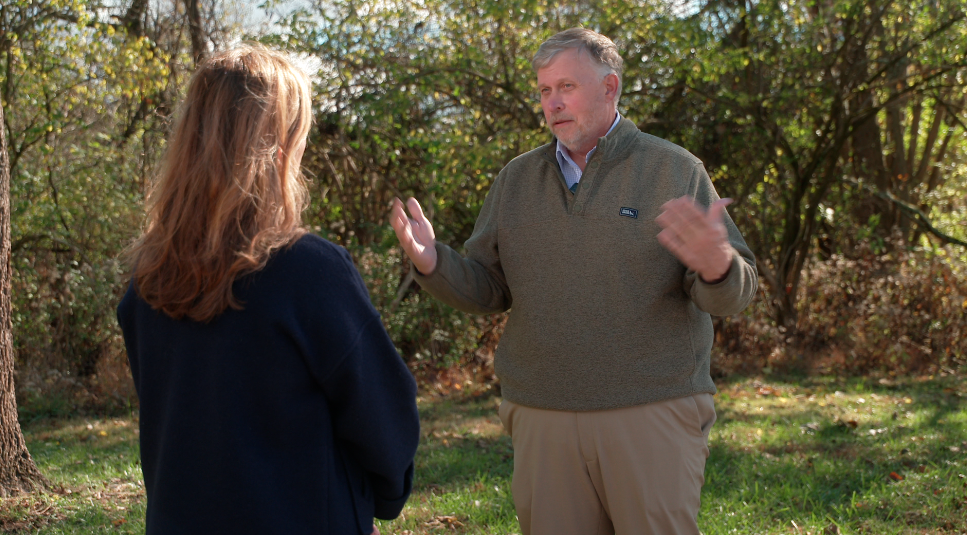
After the 2019 logging, neighbors testified that wildlife and birds disappeared, and invasive honeysuckle took over. They were seeking $3.3 million in damages to compensate for the value of the taken trees and to restore the forest.
There are things you cant do, and then just breeze by them without an economic consequence, attorney Dave Altman said in his closing statement, urging the jury to do justice to the 40-year-old NOPE organization.
NOPE claims that CLP violated its 1986 agreement with the then-owner, Cincinnati Gas & Electric, to inform the public about contaminated waste disposal and preserve the greenbelt as a substantially undisturbed buffer from the coal plant.
WATCH: Beckjord neighbors win $1.65M jury verdict
Beckjord neighbors win $1.65M jury verdictThat buffer is not just the trees above but the root system below, so it holds these hillsides where youve got these ash pits, Freeman said. As for the top part, its beautiful, and it adds to the community, but it also shields the view from an area like the ash pits that will always be bare.
Neighbors testified about the destruction of the greenbelt, with multiple days of bulldozers and logging equipment that left large, rutted trails in the forest.
CLPs attorney, Greg DeGulias, said in his closing statement that there was no photographic evidence of the greenbelts condition before the logging took place. He also argued that NOPE was asking for an unreasonable amount of money, because $3.3 million in damages is more than 33 times the appraised value of the greenbelt property, which was $97,100.
Two tree experts offered competing testimony about the value of the trees, the extent of damage to the forest and the cost of restoring the land.
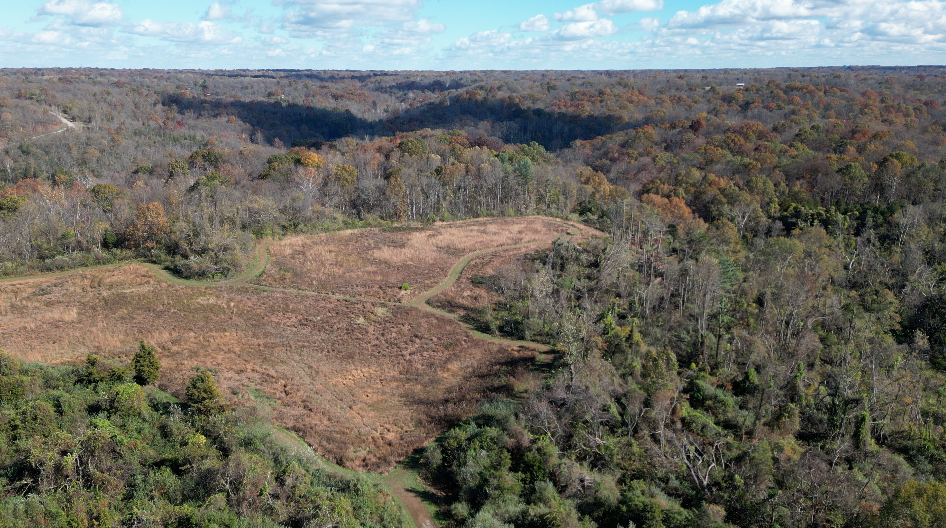
An expert witness for CLP, a board-certified master arborist in Butler County, Mark Webber, testified that the jury should award zero dollars to NOPE for the value of the large trees that were logged, and roughly $25,000 to plant tree seedlings in the 17-acre greenbelt because the area was already in the process of restoring itself.
Under cross-examination from NOPE lawyer Justin Newman, Webber admitted that he had described NOPEs case as hogwash, fearmongering and a house of cards, and its lawyers as crazy, in his earlier deposition.
An expert witness for NOPE, Jeffrey Ling, a senior registered consulting arborist in Indiana and former American Society of Consulting Arborists president, testified that it would cost roughly $500,000 to restore the forest and remove the aggressive honeysuckle that had become so thick after the logging that deer could not penetrate it.
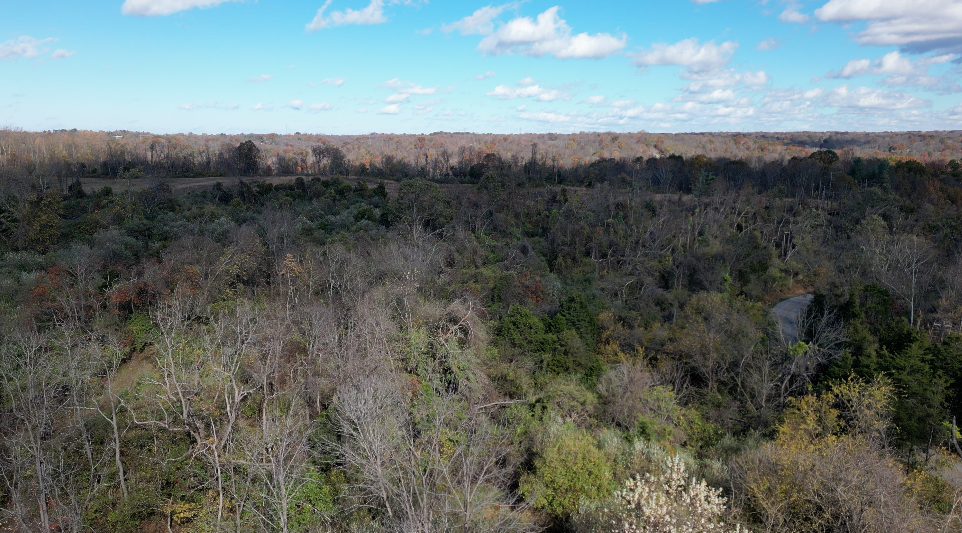
The large trees create a unique foundation, Ling testified. The site was radically altered and degraded that loss is graphic and real.
Ling said the loggers targeted large, high-value trees that comprised the canopy of the greenbelt, including a grove of white pine trees, and the heavy equipment they used to drag out 3- to 4-ton trees compacted the soil and destroyed tree saplings.
Ling testified that the value of the loss of the trees to NOPE was roughly $2.7 million; its a way of trying to restore what was taken, what was destroyed.
After deliberating for 2.5 hours, the jury awarded NOPE $1,654,080. Of that, $1.42 million was for the value of the logged trees and the remaining roughly $234,000 for the removal of honeysuckle, tree planting and aftercare of the new saplings.
The trial began Nov. 9 in U.S. District Court in Cincinnati with Judge Michael Barrett overseeing the case.
The first witness, former Pierce Township trustee and NOPE steering committee member Christopher Knoop, said the citizen group was formed in 1985 when Cincinnati Gas & Electric began purchasing residential and farmland properties to expand its coal ash pits.
Both the township and citizens threatened to sue but reached an agreement in 1986. One of the conditions in the settlement was that a greenbelt be preserved.
"We agreed virtually from the beginning ... to not disturb this property," Knoop said. "It was an important part of the character of the township."
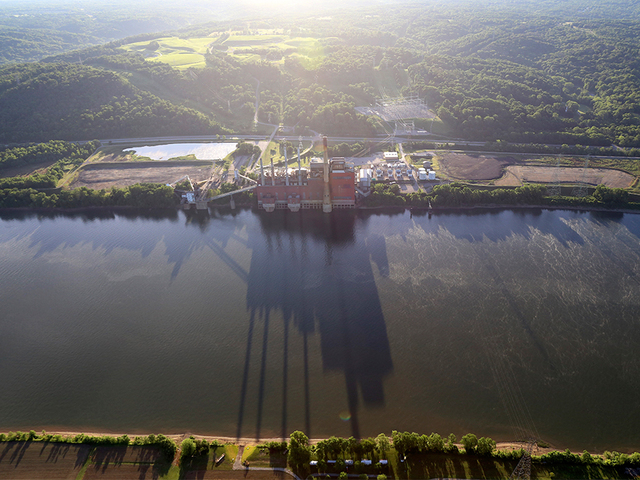
Built in the 1950s as a coal-burning giant, the Beckjord plant pumped electricity to hundreds of thousands of homes and businesses across Southwest Ohio for decades.
In 2014, Duke Energy closed the power plant, where more than 5 million tons of coal ash were buried in unlined, man-made ponds along the Ohio River.
Coal ash is the waste left over when coal is burned to make electricity. It contains toxic heavy metals, creating a serious threat to groundwater, soil and rivers.
At the Beckjord plant, the coal ash ponds are right next to the river, a source of drinking water for more than 5 million people in Greater Cincinnati and Northern Kentucky. The ponds also sit next to Clermont Countys public drinking-water wells.
In a separate part of the case, which a different jury will hear at a future trial, NOPE accused CLP of failing to disclose information about how it dug up and moved toxic coal ash around the site, and using an underfunded corporate shell, New Richmond Development Corp., to protect the company from liability.
Clermont County also filed a separate lawsuit against CLP, former owner Duke Energy, and another owner Sept. 24, to force them to clean up toxic coal ash before it contaminates the regions drinking water supply.
The WCPO 9 I-Team has been reporting on issues and incidents at the site for more than six years.
Residents complained about blowing clouds of coal fly ash in July 2020. Fly ash is the by-product of burned coal. According to the EPA, the powdery substance may contain low levels of radioactivity and contaminants such as mercury, cadmium and arsenic.
During demolition in February 2021, the main Beckjord smokestack crashed into the Ohio River, which is the main water source for 5 million people. Cleanup of the submerged debris took months.
Leftover coal ash is stored in unlined ash ponds in the rivers floodplain. They are directly adjacent to and just 1,000 feet away from the countys primary drinking water wells for 145,000 residents.


